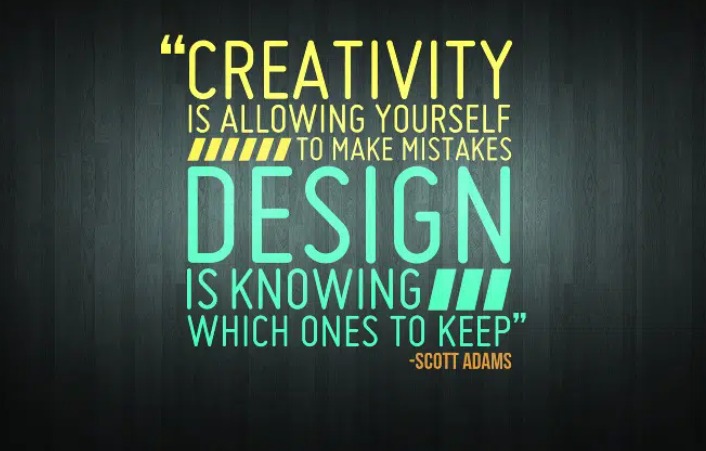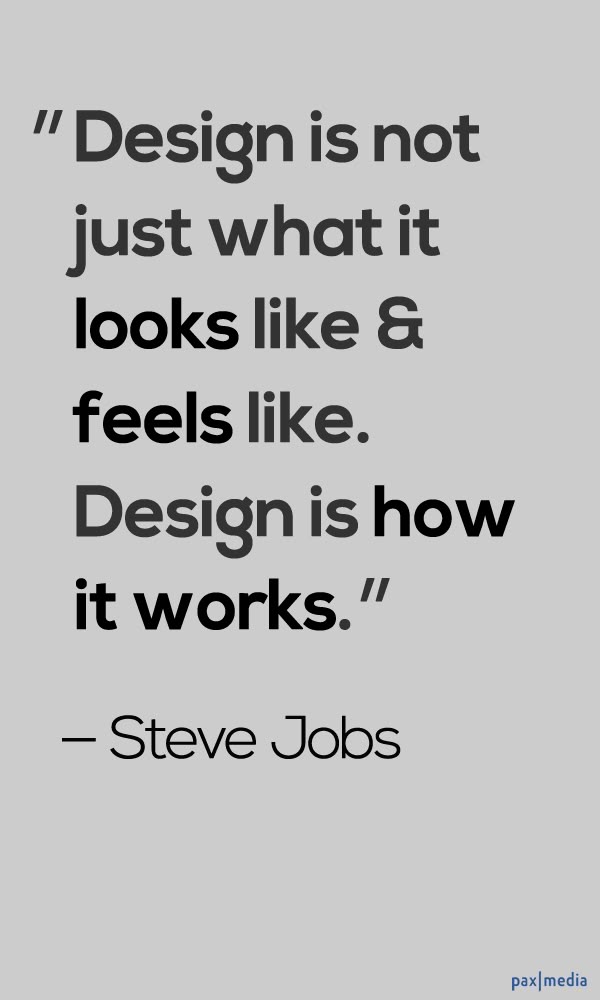
Science helps us understand how the world works, while design thinking helps us discover how to solve real-world problems. Together, they create a powerful approach to innovation, encouraging curiosity, creativity, experimentation, and continuous improvement. Whether developing new technologies, improving healthcare, or solving environmental challenges, the combination of science and design thinking leads to practical and meaningful solutions.
The five stages of design thinking are:
-
Empathize – Understand the users and their challenges.
-
Define – Clearly identify the problem.
-
Ideate – Brainstorm creative solutions.
-
Prototype – Build a simple model or solution.
-
Test – Gather feedback and improve the solution.
Benefits of Combining Design Thinking and Science
-
Encourages innovation and creativity.
-
Promotes critical and analytical thinking.
-
Improves problem-solving skills.
-
Makes learning engaging and practical.
-
Builds teamwork and communication.
-
Helps create user-friendly and evidence-based solutions.
-
Encourages experimentation without fear of failure.
-
Develops future-ready skills for STEM careers.