
Design Innovation: Shaping the Future with Creativity and Technology

📅 May 18, 2026
⏱️ 5 min read
enCODE : Ankita enCODE : Ankita

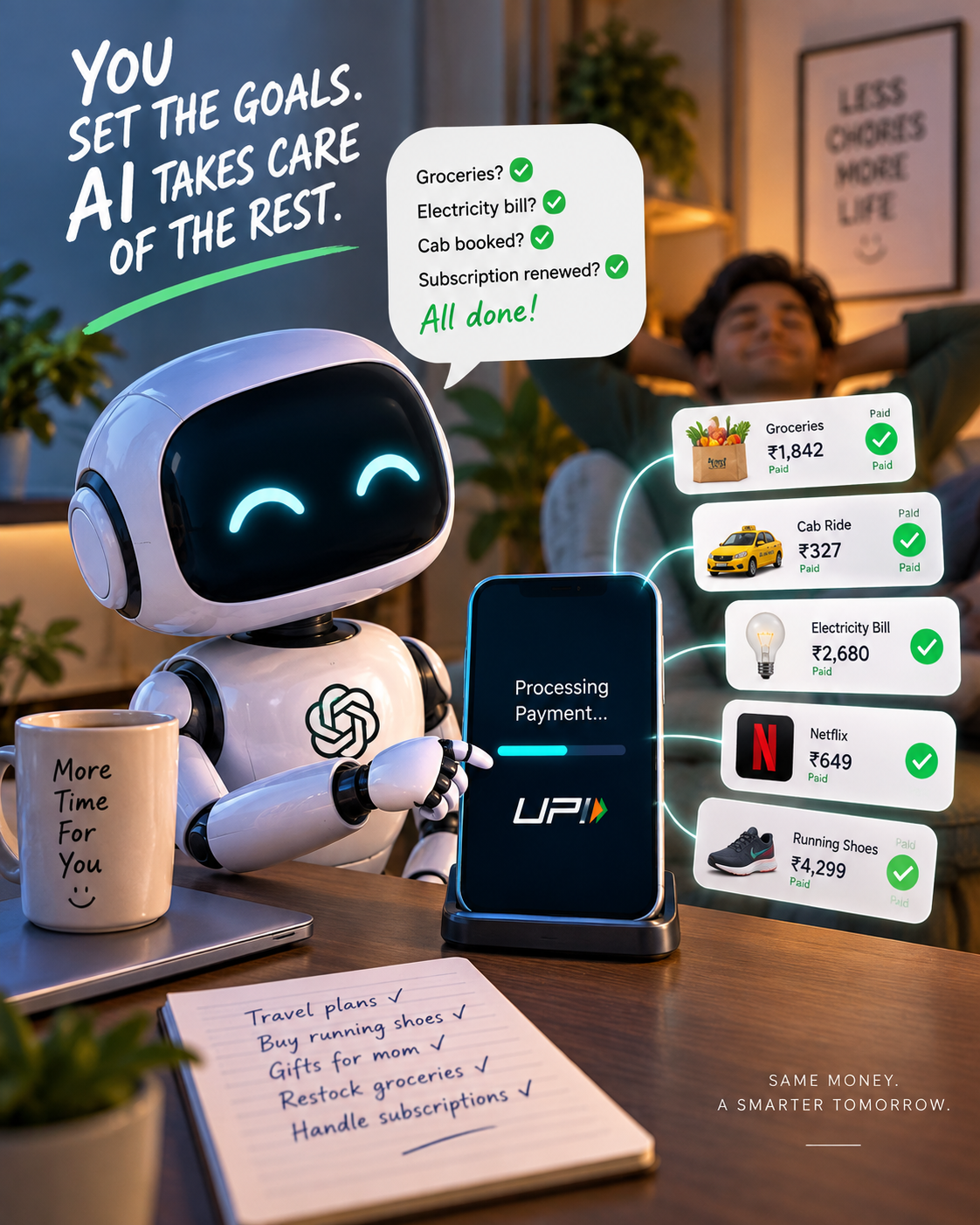
In today’s fast-changing digital world, design innovation is transforming the way people interact with products, services, and technology. It is not only about creating beautiful designs but also about solving real-world problems with creativity, strategy, and user-focused thinking. From mobile applications to smart devices, innovative design helps businesses improve user experience, increase engagement, and build stronger connections with their audience.

Modern design innovation combines creativity with advanced technologies like Artificial Intelligence, Augmented Reality, and automation. Companies are now focusing on intuitive interfaces, accessibility, and sustainable solutions to deliver meaningful experiences. Whether it is in education, healthcare, business, or entertainment, innovative design plays a major role in making products more efficient, attractive, and user-friendly.

The future of design innovation will continue to evolve with emerging technologies and human-centered approaches. Designers who think creatively and adapt to new trends will lead the next generation of digital transformation. Innovation in design is not just about appearance — it is about creating impactful experiences that improve lives and inspire the world.


Frequently Asked Questions

How does AI-driven personalization improve learning outcomes on enCODE?

Personalized learning at enCODE leverages machine learning models to analyze individual learning speeds, concept retention, and engagement styles. By understanding these metrics, our platform dynamically recommends custom reading paths, adjusts hands-on exercises, and serves practice challenges at the optimal level of difficulty. This customized feedback loop ensures students don't get bored by topics they have already mastered, nor do they get discouraged by advanced materials before they are ready, leading to significantly higher course completion rates.

Can enCODE's AI replace the value of human mentorship in education?

Absolutely not. enCODE uses AI to automate administrative grading, analyze data trends, and provide instant conceptual feedback. This actually frees up our industry mentors to spend high-value, quality time with students on deep-dive critiques, career direction, and complex problem-solving. AI serves as a powerful co-pilot that accelerates learning speed, but human mentors provide the crucial empathy, networking connections, and real-world guidance that machines cannot replicate.

What specific AI tools are integrated into the enCODE student workspace?

Students have access to an integrated AI assistant that operates within their coding, design, and writing workspaces. The assistant offers real-time syntax checking, interactive code explanations, design feedback based on UI principles, and writing suggestions. Furthermore, our AI helps students outline complex projects, identify performance bottlenecks in code, and simulate interview scenarios tailored to specific job descriptions from our industry partners.

How does the platform ensure that AI suggestions do not lead to plagiarism?

We emphasize AI as a learning facilitator rather than an automated content writer. The built-in AI workspace guides students through the problem-solving process by prompting them with structural questions and conceptual hints rather than direct solutions. Additionally, enCODE incorporates advanced code integrity check tools to ensure all submitted coursework represents original understanding and implementation by the student.

Are there prerequisites for students starting AI-powered courses on enCODE?

No, enCODE offers learning paths starting from absolute beginner levels. The platform's adaptive learning engine evaluates your background knowledge during onboarding and automatically configures foundation modules if needed. Advanced learners can test out of introductory concepts directly, allowing everyone to progress at their own comfortable and productive pace.

Share this article