

Water is no longer just a utility in architecture—it’s becoming a central design material. As cities expand and climate patterns shift, the question is no longer how we use water, but how we design with it. This is where Water-Sensitive Design (WSD) steps in—an approach where every drop is captured, reused, filtered, and respected.
What is Water-Sensitive Design, really?
At its core, water-sensitive design is about integrating the urban water cycle into the built environment. Instead of treating rainwater as waste to be drained away, WSD treats it as a resource.
This means:
-
Capturing rainwater before it becomes runoff
-
Slowing water flow through landscapes
-
Filtering water naturally through soil and vegetation
-
Reusing water wherever possible
But here’s the real shift:
WSD is not just about infrastructure—it’s about mindset.
Most buildings today are designed to get rid of water fast.
Water-sensitive buildings are designed to hold, use, and celebrate it.
Why does it matter now?
Let’s challenge a common assumption: more pipelines = better water management.
That logic is outdated.
Cities today face two extremes:
-
Flooding during heavy rainfall
-
Water scarcity during dry periods
Both problems come from the same issue: we don’t manage water locally.
Water-sensitive architecture solves this by decentralizing water systems—handling water at the site itself rather than pushing it away.
Design Strategies Where Every Drop Counts
1. Rainwater Harvesting as a Core System
Not a backup. Not an add-on.
Roofs become catchment systems. Water is stored, filtered, and reused for:
-
Flushing
-
Irrigation
-
Cooling systems
If your building still sends rainwater straight to the drain—you’re wasting a design opportunity.
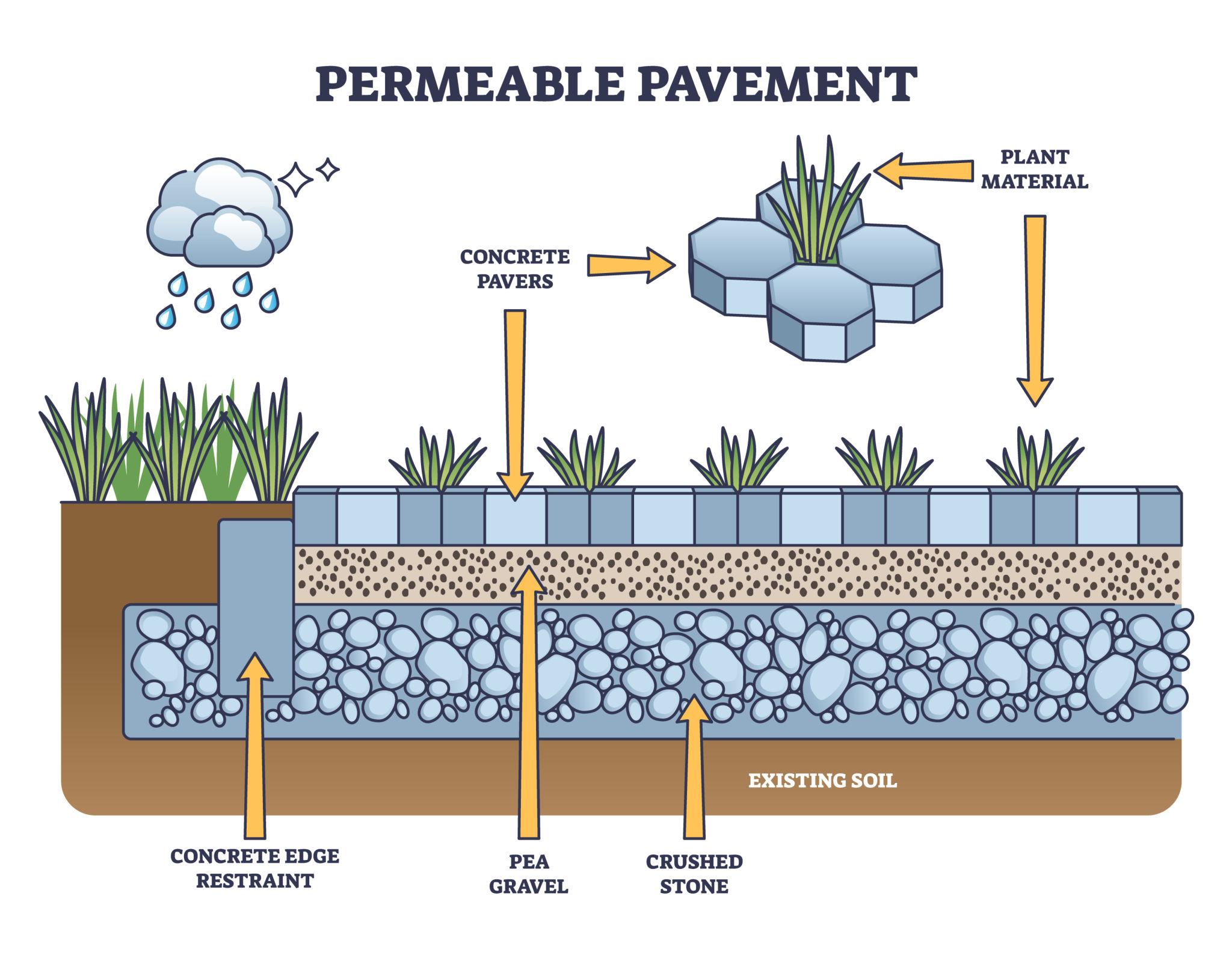
2. Permeable Surfaces Instead of Hardscapes
Concrete cities repel water. That’s the problem.
Permeable pavements allow water to seep into the ground, reducing:
-
Urban flooding
-
Heat island effect
-
Groundwater depletion
Ask yourself: why are we still designing surfaces that reject water completely?
3. Green Roofs & Vertical Landscapes
These aren’t aesthetic trends—they’re functional water systems.
They:
-
Absorb rainwater
-
Reduce runoff
-
Improve insulation
A flat concrete roof wastes water. A green roof manages it.
4. Bioswales & Landscape Integration
Landscape becomes infrastructure.
Bioswales are shallow, planted channels that:
-
Slow down the water
-
Filter pollutants
-
Recharge groundwater
Instead of underground pipes, water flows visibly through designed ecosystems.
5. Greywater Recycling
Why use fresh water twice?
Water from sinks and showers can be treated and reused for:
-
Toilets
-
Landscaping
Yet most buildings still mix all wastewater together. That’s inefficient design, not a technical limitation.
The Bigger Shift: From Drainage to Design
Traditional approach:
Collect → Drain → Dispose
Water-sensitive approach:
Capture → Store → Reuse → Recharge
That’s not just engineering—it’s a design philosophy.
Challenges (and where most people get it wrong)
Let’s not romanticize this.
Water-sensitive design often fails because:
-
It’s treated as a feature, not a system
-
Architects and engineers don’t collaborate early
-
Clients see it as a cost, not a long-term asset
If WSD is added at the end, it becomes expensive.
If it’s integrated from the beginning, it becomes efficient.
Where This is Heading
Future cities won’t just be “smart” or “green.” They will be hydrologically intelligent.
Buildings will:
-
Produce their own water
-
Clean their own wastewater
-
Respond to rainfall patterns in real-time
And here’s the uncomfortable question:
If we already have the technology and knowledge, why are we still designing buildings that waste water?
Final Thought
Water-sensitive architecture is not about saving water. It’s about redesigning our relationship with it. Because in the cities we are building today, every drop either becomes a problem—or a possibility.